


A small roof leak can appear days or weeks after the first cold night, even when the roof looked dry during the last rain. In Greentown, a freeze can expose a weak point around flashing, a pipe boot, a vent, a shingle seal strip, or a fastener. Water may enter during a later thaw or wind-driven rain, travel along the roof deck, and finally show up as a ceiling stain.
The delay does not automatically mean you need a full replacement. It does mean the leak should be traced instead of covered with a quick patch. The entry point may be uphill from the stain, and the visible symptom may not appear until the roof warms or another storm pushes water through the opening.
Why a leak can show up after the first freeze
Roof materials move as temperatures change. An older seal strip may lose flexibility, a small gap around a penetration may open, or water already beneath a shingle may find a new path as it freezes and thaws. Cold weather can reveal a weakness that was present before the temperature dropped.
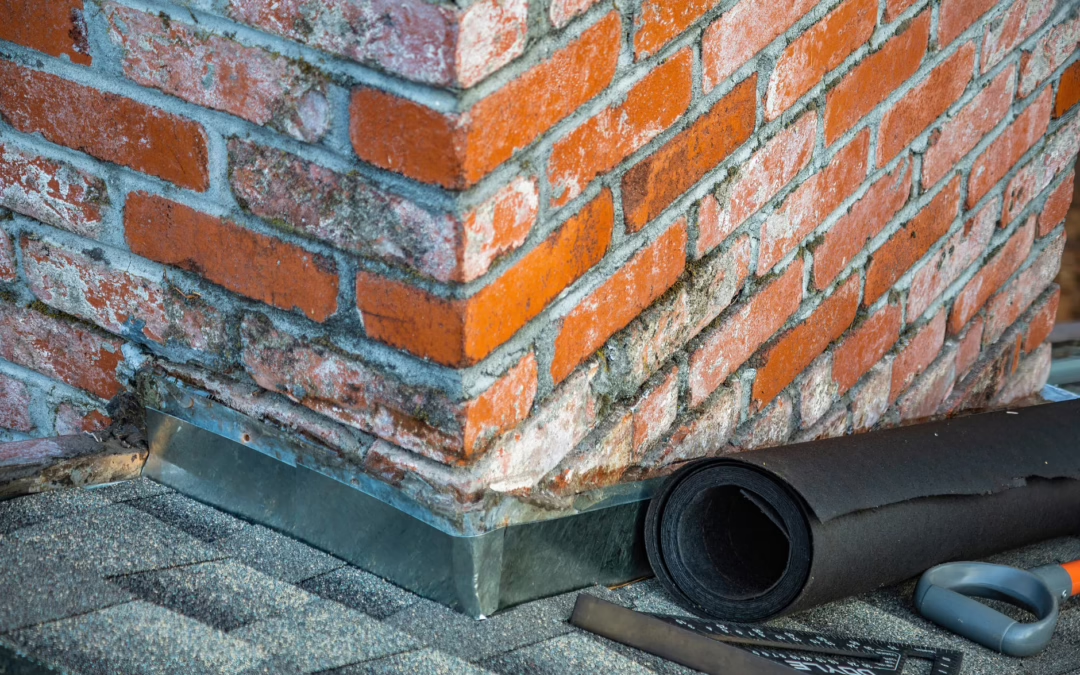
Flashing at a wall, chimney, or roof valley can also admit water when its seams, edges, or sealant have deteriorated. Pipe boots and other roof penetrations are common places to check because the boot, flashing, or surrounding shingles may age at different rates. These are possible causes, not a diagnosis from the ceiling stain alone.
Common places we inspect first
- Flashing and roof transitions: We look at areas where the roof meets a wall, chimney, valley, or other change in direction.
- Pipe boots and vents: Cracked rubber, lifted flashing, or a gap at the base can let water below the shingles.
- Shingles and fasteners: A lifted tab, exposed nail, nail pop, missing granules, or a damaged seal strip can become a leak path.
- Eaves and areas affected by snow or ice: Water can back up when runoff is obstructed, but the roof still needs an inspection to identify the actual entry point.
Water does not always travel straight down. A stain near a light, wall, or ceiling corner can originate several feet away on the roof. That is why tracing the roof surface, attic side of the deck, and nearby penetrations matters more than sealing the spot where the stain appeared.
Safe checks you can make from the ground and inside
Start with safety. Do not climb onto a cold, wet, icy, or snow-covered roof. From the ground, use binoculars if available and note any visibly lifted shingles, damaged flashing, or debris. Do not pull on shingles or disturb flashing to see what is underneath.
Inside the home, if the attic can be reached safely, use a flashlight and look for fresh staining, damp insulation, or water marks on the underside of the roof deck near the area above the ceiling stain. Avoid stepping on insulation or wet surfaces, and stay clear of electrical components. If water is near a light fixture or electrical outlet, keep clear and contact a qualified professional.
Write down when the stain or drip appeared, whether it followed a freeze, thaw, rain, or wind event, and whether it changes during the next storm. Take wide and close-up photos from safe locations. This information helps an inspector compare the interior symptom with the roof conditions.
When a repair may be enough
A focused repair may make sense when the inspection finds one traceable issue, the surrounding shingles remain serviceable, and the roof can be resealed without damaging adjacent materials. Depending on the cause, the work may involve repairing or replacing a small area of shingles, correcting flashing, or addressing a roof penetration.
The right repair is more than covering a stain. The damaged area needs to shed water again, and the surrounding materials need to remain secure. A roofing professional can also check whether the deck or underlayment has been affected before closing the area.
When the leak points to broader roof work
A broader assessment is warranted when there are several leak areas, brittle or widely worn shingles, recurring moisture after repairs, damaged decking, or flashing and ventilation details that cannot be corrected as an isolated spot. Multiple weak points can make a series of small patches less dependable.
That does not make replacement automatic. The condition, age, repair history, and extent of the roof damage should determine the recommendation. An inspection can separate an isolated cold-weather leak from a roof system that needs more extensive work.
When to call MNM Roofing Professionals
Call for an inspection when a ceiling stain returns, an active drip continues, a roof penetration looks damaged, or you cannot safely identify the source. If the ceiling is bulging, water is near electrical equipment, or the leak is active, keep people away from the area and address the immediate safety risk before investigating.
MNM Roofing Professionals serves Greentown and the surrounding Northeast Pennsylvania area with roof repair and related roofing services. Contact MNM Roofing Professionals to request an inspection so the leak can be traced and the next step can be explained clearly. You can also review the Greentown service area.
Key takeaways
- A leak that appears after the first cold night may come from a weak point that was hidden until freezing and thawing or later rain exposed it.
- Flashing, pipe boots, vents, shingle seal strips, fasteners, and areas affected by snow or ice are common inspection points.
- Check from safe locations, document timing and photos, and do not climb onto a cold or icy roof.
- A small, traceable issue may be repairable, while repeated leaks or widespread wear call for a broader assessment.
- An inspection can identify the likely entry point and help determine whether repair or more extensive roof work is appropriate.