


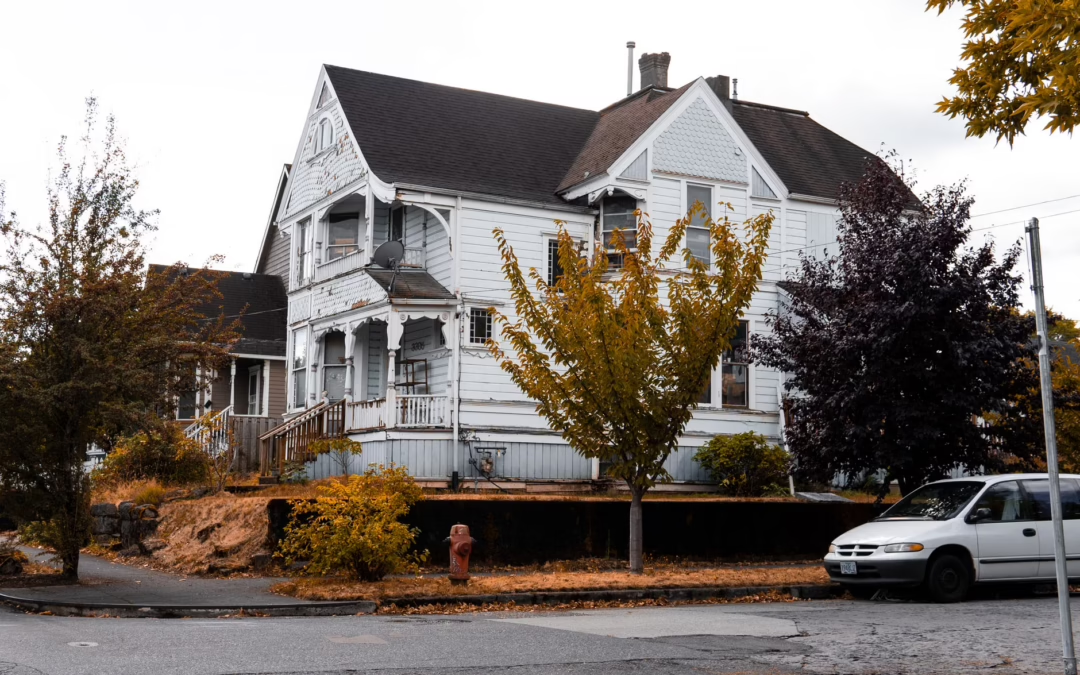
As we roll through the seasons here in Greentown, PA, our roofs take a beating. Winter brings the bite, with snow and ice setting up potential headaches come spring. Spring showers can highlight weak points, where water weasels its way in through any crack or crevice. Then summer sun bakes it all, amplifying any damage done earlier. Fall’s the time to buckle down and check everything, with winter looming once more. Seasonal shifts aren’t just about weather, they’re about how each change stresses your roof differently. Prepping your roof for these transitions isn’t just about one-time fixes; it’s about ongoing care that sees your roof through all four seasons, strong and steady.
Inspect and Repair After Winter
Winter can be tough on roofs, especially with snow and ice accumulations. Once you’ve cleared the worst of it, it’s time to inspect. Check for loose or missing shingles—common culprits in letting moisture sneak in. Ice damming often leaves behind water stains or rot on eaves and rafters inside the attic. Look around attic vents too, where moisture might have seeped in during those freeze-thaw cycles. If there’s any sign of mold or a musty smell, you’ve got moisture hiding somewhere. Flashing around chimneys and vents needs a once-over as well. Ice and snow might have shifted those protective pieces, leaving small gaps where water can slip through. When repairing, use roofing nails and a sealant suitable for low temperatures, ensuring that it’s really set to handle next winter’s blast.
Address Summer Heat Expansion
Summer heat takes its toll, expanding and contracting roofing materials. Dark shingles absorb heat, causing them to contract and crack over time. That’s why checking them as temperatures rise is key. Look for shingles curling at the edges or blistering on the surface. These are signs of heat stress and, if not replaced, they’ll allow water in during the next rain. Skylights and solar panels need checking too. Gaskets can dry out and crack, so examine them for signs of wear. Attic ventilation plays a crucial role in managing summer heat. Ensure soffit vents are clear of debris and that ridge vents are unobstructed. Proper airflow lessens the heat impact on roofing materials, extending their lifespan.
Prepare for Spring Showers
Spring is when water testing begins in earnest. Gutters and downspouts need to be clean and unclogged to prevent overflow. Overflow can lead to water pooling at your foundation—something no one wants. Assess siding where it meets the roof, ensuring no gaps or cracks. Water will exploit any weak points it finds. Check the caulking around windows and doors; water can seep in if it’s degraded. Some materials, like asphalt shingles, might develop granule loss over winter. If you find bare patches, it’s time for replacement. For flat roofs, ensure the membrane is intact and look for any pooling water. Water should drain freely, so if you see puddles, you need a fix.
Fall: The Time for Thorough Inspections
Fall is when you really dig into inspections. Leaves and debris from nearby trees can collect on roofs and in gutters, causing water back-up. Clear these out before they become a bigger issue. Inspect flashing around exhaust fans, attic vents, and chimneys. Any loose or damaged flashing should be replaced to prevent water ingress. Check for moss or algae, which can retain moisture and damage roofing materials. Apply a moss-resistant treatment if necessary. Your trim and fascia should be intact and painted to stave off rot. If you find any water streaks or mold inside, you’ve likely got a breach somewhere. This is the time for a thorough check, ensuring everything is in top shape before winter hits again.
Understand the Impact of Local Weather Patterns
In Greentown, PA, we’re no strangers to unpredictable weather. Understanding the weather patterns here can guide our maintenance strategy. We often see freeze-thaw cycles in late winter, which can wreck havoc on roofing materials. In spring, heavy rains can overwhelm drainage systems. Drought conditions in summer can dry out roofing seals, leading to cracks. During fall, strong winds can loosen or tear off shingles. Each season carries its own set of challenges, so knowing what to look for means you can act before small issues become large repairs. This area isn’t easy on a roof, and that’s why timely maintenance is essential.
Emergency Preparedness for Severe Weather
Severe weather can hit unexpectedly. Having a plan in place is smart. Keep tarps, roofing nails, and a ladder handy for temporary repairs. Clear branches or debris from roofs before expected storms, reducing risk of direct damage. After any severe weather, inspect your roof as soon as it’s safe. Look for leaks, missing shingles, or structural damage to roof edges. Keep an eye on attic spaces for fresh water stains or dampness. In the case of significant damage, don’t hesitate to call in professionals. They can assess and address problems safely and effectively.
Build a Routine Maintenance Schedule
Routine maintenance is the backbone of a healthy roof. Set specific times twice a year for comprehensive checks: once in fall before winter sets in and once in spring to catch any winter damage. This schedule helps in catching issues early when they’re easiest to fix. In between, monthly checks can help identify smaller problems before they grow. Include gutter cleaning in this routine to head off water damage to your home’s structure. A little regular attention goes a long way in keeping your roof in top condition.
Choosing the Right Materials for Longevity
Different roofing materials handle weather differently. Asphalt shingles, common for their cost-effectiveness, might last 20 to 30 years with proper care. Metal roofs, on the other hand, can serve you for over 50 years, resisting much of what weather throws at them. They’re less prone to cracking and can shed snow easily. Keep in mind that metal expands and contracts with temperature changes, so proper installation is key. Tile roofs offer durability and can handle harsh weather but come with the need for a stronger structural support due to their weight. When choosing a material, consider the specific weather conditions we face in Greentown and how each type responds over time.
The Role of Insulation and Ventilation
Insulation and ventilation aren’t just about keeping your home comfortable—they directly affect your roof’s health. In winter, proper insulation prevents heat loss, reducing ice dams that form when snow melts unevenly. It also minimizes the risk of condensation in the attic. Meanwhile, adequate ventilation lets air circulate, which is vital in all seasons. It helps keep the attic cool in summer and dry in winter, preventing mold and moisture build-up. Ventilation extends the life of your roofing materials by reducing thermal stress. Ensure your attic has enough vents, and that they’re not blocked by insulation or debris.
Key Takeaways
- Winter exposes weak points; inspect and repair promptly.
- Summer heat can crack shingles; check for damage early.
- Spring showers test water management: clear gutters.
- Fall inspections prepare your roof for winter’s demands.
- Local weather patterns dictate specific care needs.
- Keep emergency supplies ready for severe weather.
Conclusion
Adapting our roof maintenance to Greentown’s seasonal shifts protects the home and saves future headaches. The changing seasons here aren’t just about weather; they’re about knowing how each one stresses your roof differently. Keep a proactive schedule, and you can catch small issues before they spell big trouble. If you’re unsure or see signs of damage, don’t wait. Get a professional in to have a look. Tackling problems early is key to long roof life and more peace during our weather’s ups and downs.
References