


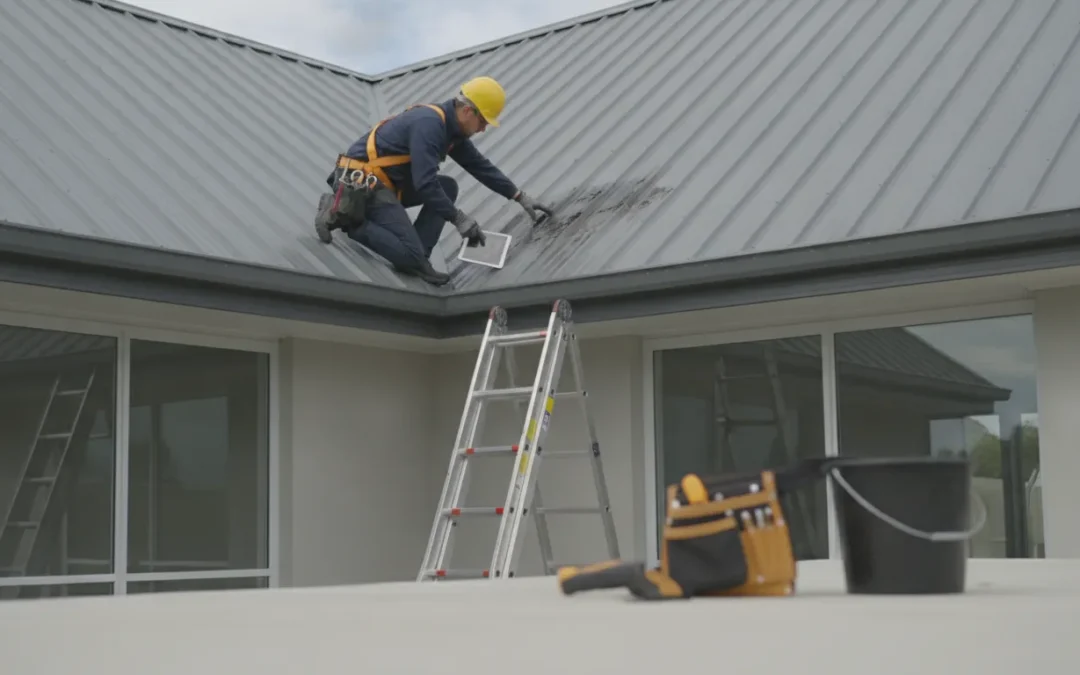
A ceiling stain doesn’t always show where water entered your roof. A leak may travel along rafters or decking before it drips into a room, and the source could be damaged shingles, flashing, or clogged drainage. Before deciding how to repair a leaking roof, protect your belongings, watch for electrical hazards, and note when the leak appears. Never climb onto a wet, icy, steep, or damaged roof to investigate. This guide walks through safe ways to look for clues, temporary steps to limit damage, and repairs a roofing professional may recommend. MNM Roofing Professionals serves homeowners and property owners across Northeast Pennsylvania.
Key Takeaways
- Protect people and belongings first: Catch drips and move valuables, but keep clear of sagging ceilings, wet electrical areas, and unsafe roofs.
- Gather clues from a safe location: Note when the leak appears and photograph visible damage; a professional can trace the source and recommend a repair.
- Act promptly after a leak or storm: Save receipts, ask your insurer what to document, and arrange a roof inspection. Regular gutter care can also help manage water runoff.
What Should You Do First When You Find a Roof Leak?
Start by keeping people safe and limiting water damage. Don’t climb onto the roof, especially in wet, icy, or windy conditions. If water is coming in quickly, the ceiling looks unstable, or you suspect an electrical hazard, keep everyone away from the affected area and get professional help.
Catch drips, move belongings, and protect floors and furniture
Place a bucket or waterproof container beneath active drips, with towels around it to catch splashes. Move furniture, electronics, rugs, and other belongings out of the area. If something is too heavy to move, cover it with a waterproof sheet, making sure the covering does not press against wet walls, outlets, or fixtures.
If water is spreading across the floor, use towels to contain it. Don’t step into standing water if it could have reached electrical outlets or wiring. A roof leak response guide also recommends catching drips and moving belongings out of harm’s way. These steps can limit indoor damage while you arrange an inspection.
Stay clear of sagging ceilings; don’t touch bulging areas
A bulge or sag may mean water has collected above the ceiling. Keep people and pets out of the room, and don’t press, puncture, or cut into the area. Wet drywall can be heavy and unstable, and disturbing it may cause part of the ceiling to fall.
If the ceiling is visibly sagging or the bulge is growing, leave the area and contact a professional. Don’t stand beneath it to place a bucket. Roofing safety guidance recommends evacuating areas with significant ceiling sagging or bulges. Once the immediate risk is addressed, a roofer can inspect for damage to the roof, insulation, and framing.
Turn off power only if it’s safe
Water near a light fixture, outlet, appliance, or wiring can create an electrical hazard. If you can reach the breaker panel without walking through water or entering an unsafe area, turn off power to the affected room. Don’t touch wet fixtures, cords, or appliances, and don’t use electrical devices where water is present.
If you can’t reach the panel safely, stay clear and contact an electrician or emergency services for guidance. A guide to roof leaks inside the home recommends shutting off electricity in affected rooms when water is near wiring or fixtures. Wait until the area is confirmed safe before using fans or other equipment to dry it.
Photograph the leak and damage; save cleanup and repair receipts
Take photos of the leak, ceiling stains, wet floors, damaged belongings, and any roof damage you can see safely from the ground. Include wide shots showing where the damage is, along with close-ups of important details. Note when you first noticed the leak and whether it followed rain, snow, or a storm.
Keep receipts for cleanup, temporary protection, and emergency work. These records can help when you speak with your insurer or a roofing contractor. Documentation advice recommends photographing storm-related damage. Don’t climb onto the roof to take pictures. A professional can inspect hard-to-reach areas safely.
Ask your insurer what to document after storm damage
If wind, hail, or a fallen branch may have caused the leak, contact your insurance company and ask what information it needs. Find out what photos and receipts to keep, and whether the insurer wants an inspection before you file a claim. Save your claim number and notes from each conversation.
You can also arrange a professional inspection to identify visible damage and document the roof’s condition. Take urgent steps to prevent further damage, but keep a record of what you do and when. A storm-damage documentation guide recommends recording the damage and considering a professional inspection. MNM Roofing Professionals offers storm-damage repairs and insurance-claim assistance.
What Causes Roof Leaks?
Roof leaks can start with visible damage, but water may travel along decking, rafters, or insulation before it appears indoors. That means a ceiling stain may be several feet from the source. In Northeast Pennsylvania, storms, snow, and freeze-thaw cycles can all put added strain on roofing and drainage systems.
You can look for clues from the ground or from an attic you can access safely. Don’t climb onto a roof to investigate, especially when it is wet, icy, steep, or damaged. If you can’t find the cause safely, ask a roofing professional to inspect it.
Look for missing, cracked, or lifted shingles and damaged roofing
Shingles help direct water away from the roof. Missing, cracked, curled, or lifted shingles can expose the layers beneath them to rain and melting snow. Damage may appear after a storm, or develop gradually as materials age. From the ground, look for bare patches, uneven areas, or debris that may have fallen from the roof. Don’t climb up to confirm what you see. Water can travel along rafters or roof sheathing before reaching a ceiling, so the stain indoors may not be directly below the damaged area. A roofer can identify the source and recommend a repair that suits the roof’s material and condition. Learn more about residential roofing repairs and replacements.
Check for failed flashing or seals around chimneys, vents, skylights, valleys, and joints
Flashing helps direct water away from places where roof surfaces meet or where openings interrupt the roofing. It is often installed around chimneys, vents, skylights, valleys, and wall joints. If flashing becomes loose, damaged, or poorly sealed, water can seep beneath nearby materials. From the ground, watch for visible gaps, displaced metal, or damaged sealant, but don’t climb onto the roof to inspect it. Water may travel before showing up indoors, so a ceiling stain may not be directly below the failed flashing. A professional can check these areas and determine whether the flashing or surrounding roofing needs repair. Failed flashing is a common cause of roof leaks.
Watch for clogged gutters, poor drainage, and ice dams
Gutters and downspouts move water away from your roof and home. When leaves, twigs, or other debris block them, water may overflow or back up near the roof edge. Debris in roof valleys can also slow drainage. In winter, ice dams may form when melting snow refreezes near the eaves, blocking water from draining as it should. That water can work beneath roofing materials and cause a leak. From the ground, look for overflowing gutters, visible debris, or heavy icicles. If a leak appears during snowmelt or freezing weather, share that timing with your roofer. MNM Roofing Professionals offers gutter and downspout installation.
Check for wind, hail, or falling-branch damage
Strong winds can lift or remove shingles, hail may crack or dent roofing materials, and falling branches can puncture the roof or damage flashing. Some storm damage is easy to spot, while small openings may be hard to see from the ground. After severe weather, look for missing shingles, roof debris, or new stains inside your home. Take photos from a safe location, and don’t climb onto the roof or try to move a large branch yourself. If water is entering the home, contact a roofing professional for an assessment. Storm damage can lead to roof leaks. Keep photos and repair records in case you need to discuss the damage with your insurer.
Look for worn decking, deteriorated seals, or age-related damage
Roofing materials and the layers beneath them can wear down over time. Damaged decking, also called sheathing, may become vulnerable to moisture, while seals around vents and other openings can crack or separate. Warning signs indoors may include recurring stains, damp insulation, or a musty smell, though these clues don’t confirm the source. A roofing professional can inspect the roof and decking to determine whether a targeted repair is suitable or more extensive work is needed. The right option depends on the roof’s material, age, and overall condition. An inspection can also reveal related problems, such as softened or damaged wood after prolonged moisture exposure.
Rule out plumbing leaks or attic condensation
A ceiling stain does not always mean the roof is leaking. Plumbing pipes, bathroom fixtures, and air-conditioning lines can all be sources of indoor water. Attic condensation can also leave moisture on insulation or framing, sometimes without rain or snow. Notice when the stain appears: if it grows after using a bathroom or appliance, a plumbing issue may be involved. If moisture shows up during cold weather without precipitation, condensation could be a factor. Avoid touching wet electrical fixtures or wiring. A roofer can check the roof; if it appears sound, you may need a plumber or another qualified professional to investigate. Plumbing and condensation can also cause ceiling leaks.
How Can You Find a Roof Leak?
Look for clues indoors and from the ground before considering any closer inspection. Check ceilings and walls for discoloration, peeling paint, damp spots, or a musty smell. If you can safely access the attic, use a flashlight to inspect the area above the leak for damp insulation, mold, or marks on the underside of the roof. Stay away from wet electrical components, unstable flooring, and areas where you cannot tell what is safe to stand on.
From outside, use binoculars to look for damaged shingles, debris in roof valleys, or visible problems around chimneys, skylights, vents, and pipes. Note whether the leak starts during rain, snowfall, or a thaw. These observations can help a roofer narrow down the cause, but they may not identify the exact entry point. Water can travel along framing and roofing materials before it shows up indoors.
Avoid climbing onto the roof. If the source isn’t clear from a safe location, contact a professional to inspect it. MNM Roofing Professionals provides residential roofing services for homeowners who need help assessing a leak.
Look for stains, wet insulation, or mold in a safely accessed attic
If you can reach the attic safely, use a flashlight to check the underside of the roof and the area above the room where you noticed water. Look for brown or gray stains, damp or clumped insulation, mold, and drips on the decking or framing. The attic inspection guidance from Altitude Roofs also points to water stains, wet insulation, and mold as signs to watch for.
Don’t touch wet materials if wiring or electrical equipment is nearby. Avoid stepping on drywall or insulation, and leave the attic if the floor feels unstable or you’re unsure where it’s safe to stand. Your safety matters more than finding the source yourself.
Follow water trails along rafters and decking toward the entry point
A damp spot on a rafter or roof deck can offer a helpful clue, but it may not sit directly below the ceiling stain. From a safe position, look for discoloration, damp wood, or water marks along the underside of the roof. Water may travel along rafters or sheathing, so follow any visible trail uphill toward the roof peak.
Don’t pull away insulation or climb across framing for a better view. If a trail disappears behind a wall, chimney, or other obstruction, note where you last saw it. Sharing that detail with a roofer can help guide the inspection without requiring you to take risks in the attic.
Check rooflines, valleys, flashing, and penetrations from the ground
Use binoculars to inspect the roof from the ground or another safe location. Look for missing, cracked, curled, or lifted shingles, along with debris collecting in valleys where roof slopes meet. Check for visible gaps or damage around flashing near chimneys, skylights, vents, and plumbing pipes. These areas interrupt the roof surface and can be potential entry points for water.
You can also look for overflowing gutters or debris from the ground, but don’t climb a ladder if you lack the right equipment or experience. Clogged or damaged gutters can affect drainage, so mention any concerns to your roofer. MNM Roofing Professionals offers gutter installation for property owners who need help with gutters and downspouts.
Note whether rain, snow, or thawing triggers the leak
Write down when you first noticed the leak and what the weather was doing. Does water appear during steady rain, only during heavy storms, or after snow begins to melt? Does it stop when the weather clears, or continue afterward? These details can help a roofer narrow down possible causes, though they won’t confirm the source on their own.
In Northeast Pennsylvania, note whether the leak follows freezing temperatures, snowfall, or a thaw. Water that appears as snow melts may be related to ice buildup or drainage, while rain can expose problems with roofing, flashing, or gutters. Take photos of indoor stains and any exterior damage you can see safely. Share your notes and photos with the roofing professional who inspects the property.
Remember water can travel far from the opening and ceiling stain
A ceiling stain shows where water became visible, not necessarily where it entered the roof. Water can move along rafters, roof sheathing, insulation, or other framing before dripping into a room. As a result, the leak may be several feet away from the stain or above a different section of the ceiling.
If you can safely access the attic, check nearby surfaces for dampness or discoloration, but don’t assume the closest roof feature is the source. A roofer may need to inspect both the roof and attic to trace the water’s path. Tell them where the water appears, when you notice it, and whether you saw any trails or stains. Those details can help focus the assessment.
Avoid unsafe roofs; leave hose testing to a professional
Don’t climb onto a wet, icy, steep, or damaged roof to search for a leak. A fall can cause serious injury, and walking on shingles may lead to further damage. Even on a dry roof, finding the source can require experience and the right safety equipment. Keep children and pets away from the affected area, especially if water is reaching ceilings or walls.
A hose test can be difficult to perform correctly. Spraying the wrong area or using too much water may create confusing results or allow more water inside. If you can’t find the source from a safe indoor or ground-level inspection, contact a roofing professional. They can assess the roof and decide whether testing is appropriate.
What Temporary Roof Leak Repairs Can You Make Safely?
Temporary steps can help limit water damage, but they won’t fix the source of a leak. Focus on protecting people and belongings from inside, then arrange a professional assessment. Never climb onto a wet, icy, steep, or damaged roof to make a quick repair.
Use buckets and towels to contain water and protect belongings
Place a stable bucket or bin under active drips, and lay towels around it to catch splashes and protect floors. Move furniture, electronics, rugs, and other belongings away from the leak. If water is spreading, avoid walking through it, especially near outlets, cords, or appliances.
Check containers regularly and empty them before they overflow. If it’s safe, take photos of the leak and visible damage before cleaning up. These records may be useful when you contact your insurer or roofer. Roofing professionals recommend catching drips and moving belongings while you arrange a lasting repair.
Stay clear of bulging ceilings; don’t puncture them
A sagging or bulging ceiling may be holding water and could collapse without warning. Keep people and pets out of the room, and don’t press, cut, or poke the ceiling to release water. A sudden collapse can cause serious injury, and the water may be dirty or close to electrical wiring.
If you see a pronounced bulge, close off the area and contact a roofing professional promptly. If the ceiling shifts, cracks, or seems at risk of falling, leave the room and seek emergency help. Guidance on roof leaks advises leaving areas with significantly bulging ceilings. Wait for a professional to assess the ceiling before approaching it.
Use fans or a dehumidifier only when it’s electrically safe
A fan or dehumidifier may help dry damp materials, but only use one if the floor and surrounding area are dry and the device can be kept away from water. Don’t handle plugs, cords, or electrical equipment while standing on a wet surface. Keep devices away from drips, damp carpet, and wet walls.
If water is near a light fixture, outlet, wiring, or electrical panel, don’t touch nearby switches or equipment. Turn off power only if you can reach the breaker safely from a dry location. If you’re uncertain, stay clear and contact an electrician. Roofing safety guidance recommends shutting off power when water is near lights or wiring.
Leave tarping and exterior patching to properly equipped professionals
A tarp can limit water entry, but installing one often requires working at height on a slippery or damaged surface. Don’t climb onto the roof to place a tarp or apply a patch. A fall can cause serious injury, and walking on damaged roofing may make the problem worse. Keep away from loose roofing, fallen branches, and nearby power lines.
Instead, tell a roofer where you see water, when the leak began, and whether a storm may have caused damage. MNM Roofing Professionals provides roof repairs and storm-damage services in Northeast Pennsylvania. Treat a tarp or temporary covering as short-term protection, not a substitute for a proper repair.
Use roofing cement, tape, and sealants as temporary fixes only
Roofing cement, roofing tape, or sealant may suit some small leaks, but the product must match the roofing material and the repair must be safe to make. Don’t climb onto the roof to apply one. If you can see the area from a safely accessible attic, avoid stepping on insulation or ceiling materials, and stay clear of wiring and wet electrical components.
A patch may cover the visible symptom without fixing the cause, and it can fail as weather conditions change. Use these products only as a temporary measure while arranging an inspection. Temporary patches and sealants should not replace a complete roof repair. A roofer can locate the entry point and recommend a repair suited to your roof.
What Permanent Repairs Can Stop a Roof Leak?
A lasting repair starts with identifying where water enters and what allowed it in. The ceiling stain may be several feet from the opening, so repairing the area directly above it might not stop the leak. A thorough assessment looks at the roofing, flashing, drainage, and accessible attic spaces. It also checks for moisture damage beneath the roof surface.
The right repair depends on the roofing material, the extent of the damage, and the roof’s overall condition. A few damaged shingles may need a focused repair, while widespread wear or deteriorated decking can call for more extensive work. Rain, snow, ice, and wind can all affect roofs and drainage systems in Northeast Pennsylvania, so it helps to consider how the components work together. MNM Roofing Professionals provides residential roof repairs and replacements throughout the region. An experienced roofer can explain the recommended work, outline repair options, and provide an estimate.
Replace damaged roofing and repair compromised decking
Missing, cracked, or lifted shingles can let water reach the layers beneath them. A permanent repair may involve removing the damaged roofing, checking the underlayment and deck, then installing replacement materials suited to the roof. If the decking is soft, swollen, or rotted, it may need to be replaced before new roofing is installed. Covering damaged wood without addressing it can leave moisture trapped beneath the repair.
The repair should match the roof type, whether it’s asphalt shingle, metal, rubber, or another system. A roofer can also check nearby areas for related damage, since wind or age may have affected more than one spot. Learn about common roof leak repairs and why identifying the underlying damage matters before patching a roof.
Repair or replace failed flashing, seals, and penetrations
Flashing helps direct water away from roof joints and features such as chimneys, vents, skylights, and valleys. If it’s loose, corroded, bent, or poorly sealed, water can seep beneath the roofing. A lasting repair may involve securing or replacing the flashing, renewing seals around roof penetrations, and repairing nearby roofing or decking affected by moisture.
A quick layer of sealant might cover a visible gap, but it won’t fix flashing that has pulled away or was installed incorrectly. The repair should use materials suited to the roof and account for how water flows across it. A professional can inspect the full joint, not just the visible stain, and determine whether resealing or replacement is the right fix. This helps address the leak’s source instead of only its most obvious sign.
Clear, repair, or improve gutters and downspouts
Clogged or damaged gutters can cause water to back up under roof edges or spill where it can damage siding and the foundation. Clearing leaves and debris may restore drainage, but recurring overflow can point to a sagging gutter, a blocked downspout, or a system that needs repair. Gutters should be securely attached and carry water away from the building.
Gutter work can help prevent leaks, but it won’t repair damaged shingles or failed flashing. If water appears near the eaves, ask for the roof and drainage system to be assessed together. MNM Roofing Professionals installs seamless gutters and downspouts to help manage runoff. Keeping gutters clear, especially after storms and during leaf-heavy seasons, can also reduce the chance of water backing up.
Match repairs to the roof’s material, age, and condition
A repair method that works for one roof may not suit another. Shingles, metal panels, rubber membranes, rolled roofing, and stone-coated steel each require the right materials and installation techniques. Using an incompatible sealant or fastening method can damage the roofing or create another weak spot. A roofer should identify the roof type before recommending a repair.
Age and overall condition matter, too. A targeted repair may be practical if the rest of the roof is sound. If materials are brittle, seams are failing in several places, or leaks keep returning, patching one area may not be enough. Roof leak repair guidance also recommends weighing repair against replacement when damage is extensive or the roof is nearing the end of its service life.
Check for water damage, mold, or wood rot
Stopping the leak is only part of the job. Water can soak insulation, stain ceilings, weaken roof decking, and create conditions for mold or wood rot. After the leak is addressed, damaged areas may need to be dried, treated, or replaced. A roofer can inspect accessible attic spaces and visible interior damage to help determine whether moisture has spread beyond the original entry point.
A dry ceiling doesn’t always mean the problem is resolved. Moisture can remain hidden above ceilings or behind walls, while musty odors and recurring stains can signal lingering dampness. Common signs of interior leak damage include mold, wood rot, and damaged insulation. If water reaches electrical systems or a ceiling begins to sag, keep clear and contact a professional promptly.
Compare targeted repairs with replacement when damage is widespread or the roof is worn
A focused repair may be suitable when the damage is limited and the surrounding roof remains in good condition. Replacement may be worth discussing if leaks appear in multiple areas, roofing materials are deteriorating across the surface, or repairs have become frequent. An inspection can help determine whether the problem is isolated or part of a larger pattern.
Ask for a written estimate that explains the recommended work, materials, and any damage to decking or other components. One rule of thumb is to compare a repair costing around 30% or more of a full replacement with the roof’s age and condition. That figure isn’t a universal cutoff, so consider the roof’s expected service life and the scope of each option. A residential roof assessment can help you understand the work involved and compare repair with replacement.
When Should You Call a Roofing Professional?
Call if the leak continues, returns, or has no clear source
A leak that keeps returning may have a source you can’t see from indoors. Water can travel along roof decking and framing before it reaches a ceiling, so the stain may be far from a damaged shingle, flashing, or roof joint. Patching the visible spot may only cover the symptom.
Call a roofer if you can’t locate where water is entering, the leak affects several areas, or a previous repair hasn’t held. A professional can inspect the roof and recommend a repair based on its material and condition. Learn more about residential roof repairs and replacements from MNM Roofing Professionals.
Call if water reaches multiple rooms, insulation, or electrical systems
Water spreading across rooms, soaking insulation, or appearing near an outlet or light fixture needs prompt attention. Keep people away from wet electrical areas. Don’t touch switches, fixtures, or wiring if you’re unsure they’re safe. Turn off power only if you can do so without entering a wet area or approaching damaged equipment. Otherwise, contact a qualified professional.
Multiple leaks or widespread wet spots can point to a larger roofing issue. Damp insulation may also retain moisture after a drip stops. A roofer can assess the damage and recommend next steps. For more on interior leak risks, read this guide to handling roof leaks from inside.
Call if the ceiling sags, mold appears, or you see roof damage
A sagging or bulging ceiling may be holding water. Don’t stand beneath it, press on it, or puncture it. Move people, pets, and belongings away from the area, then call for help. Mold, peeling paint, or a persistent musty smell can also indicate ongoing moisture that may affect building materials.
If you spot missing shingles or damaged flashing from the ground, arrange an inspection rather than climbing up to investigate. A roofer can check for hidden moisture, wood rot, and damage beneath the roofing. The residential roofing team at MNM can assess your roof and explain possible repairs.
Call if the roof is high, steep, icy, or unsafe to access
Don’t climb onto a roof that’s steep, wet, icy, or damaged. Even a low roof can be slippery, and a fall can cause serious injury. Rain, snow, and frost are common hazards in Northeast Pennsylvania, while wind and loose roofing materials can make access even riskier. A ladder can also slip on uneven or icy ground.
You can note visible damage from a safe spot on the ground, but leave close inspections, tarping, and exterior repairs to trained professionals with proper equipment. While you wait, protect belongings inside and contain drips if it’s safe. Learn more about MNM Roofing Professionals’ in-house team, which handles roofing work without subcontracting.
Get prompt assessment and insurance documentation after storm damage
After hail, strong winds, or a fallen branch, contact a roofer if you suspect damage or notice a leak. Take photos from a safe location, note when the storm occurred, and keep receipts for reasonable cleanup or temporary measures. Don’t climb onto the roof or remove damaged materials before recording what you can safely see.
Ask your insurer what information it needs and whether it recommends any next steps. A roofing professional can inspect the roof and provide documentation to support your discussions with the insurance company. MNM Roofing Professionals offers storm-damage repairs and insurance-claim assistance, helping property owners understand the damage and the work that may be needed.
Choose a licensed, bonded, and insured roofer who explains options, estimates, and warranties
Before agreeing to work, ask whether the contractor is licensed, bonded, and insured, who will complete the job, and what the estimate covers. A clear estimate should explain the recommended repair, materials, and any work needed to address damage beneath the roof surface. Ask what warranties apply to the workmanship and materials, and get answers to your questions before work begins.
The right repair depends on your roof’s age, material, and the extent of the damage. A roofer may recommend a targeted repair or explain when broader work is worth considering. MNM Roofing Professionals is a family-owned contractor with an in-house team. Its about page describes the company’s approach to roofing projects and customer service.
How Can You Prevent Future Roof Leaks?
Regular maintenance can help you catch roofing problems before water reaches your home or business. In Northeast Pennsylvania, rain, snow, ice, wind, and changing temperatures can put extra stress on roofs and drainage systems. Use these steps to reduce the risk of leaks, and leave roof access to a professional if conditions are unsafe.
Keep gutters and downspouts clear and draining properly
Clear leaves and branches from gutters so rainwater and melting snow can drain freely. Check that downspouts carry water away from your building, and look for sagging sections, loose fasteners, or water spilling over the edges. Clogged gutters can lead to water buildup and ice near the roofline, which may contribute to leaks.
From the ground, check for debris in roof valleys and around visible flashing, too. If gutters are difficult to reach or need repair, don’t climb a ladder in wet or icy conditions. MNM Roofing Professionals offers gutter and downspout installation for homes and businesses in Northeast Pennsylvania.
Schedule an inspection after severe weather or visible damage
After a strong storm, look from the ground for missing shingles, fallen branches, damaged gutters, or roofing debris. Don’t climb onto the roof to investigate. Damage can be difficult to spot from below, and a professional can check vulnerable areas before the next rainfall or snowmelt causes a leak.
Schedule an inspection if you notice a new ceiling stain, damp attic insulation, or water entering during particular weather. Take photos of visible damage and note when the leak occurs. After storm damage, a prompt assessment can help identify necessary repairs and provide useful documentation for an insurance claim. MNM Roofing Professionals provides residential roof repair and replacement throughout the region.
Repair worn shingles, loose flashing, and failing seals early
A lifted shingle, loose flashing, or cracked seal around a vent can let water get beneath the roofing. Addressing these issues early may help limit damage to the roof deck, insulation, and interior finishes. Avoid trying to patch the problem from a ladder or by walking on the roof. A fall or poorly placed repair can create additional problems.
A roofing professional can investigate where water is entering and recommend a repair that suits your roof’s material and condition. The National Roofing Contractors Association’s maintenance guidance offers general advice on caring for a roof. If you spot damage or suspect a leak, arrange an assessment before the affected area gets worse.
Ask about maintenance for your roof type and Northeast Pennsylvania weather
Roofing materials have different maintenance needs. Shingle, metal, rubber, flat, rolled, and stone-coated steel roofs can respond differently to heavy rain, wind, snow, and ice. Ask your roofer what signs of wear to look for, how often to schedule inspections, and whether any areas need special attention after severe weather.
Your roof’s age, slope, material, and condition all affect the right maintenance plan. Freeze-thaw cycles can put stress on seals and flashing, while wind and falling branches can damage exposed areas. MNM Roofing Professionals works with a range of residential and commercial roofing systems and can discuss care suited to your property.
Related Articles
- How to Find and Fix a Leaking Roof
- How to Repair a Leaking Roof from the Inside
- How to Fix Roof Leaks from the Inside
- How to Find and Repair a Roof Leak
Frequently Asked Questions
Should I call a roofer if a leak stops on its own?
Yes, it’s worth arranging an inspection. A leak may stop when the weather changes, but the opening or damaged roofing can still be there. Share when you noticed the water and what the weather was like so the roofer has useful context.
Can I repair a roof leak from inside my home?
You can catch drips, move belongings, and protect the floor if the area is safe. These steps limit indoor damage, but they won’t seal the roof. Stay away from sagging ceilings and wet electrical fixtures, and leave exterior repairs to a properly equipped professional.
Will homeowners insurance cover a roof leak?
Coverage depends on your policy and the cause of the damage. If a storm may be involved, photograph what you can safely see, save receipts, and ask your insurer what documentation it needs. MNM Roofing Professionals also offers storm-damage repairs and insurance-claim assistance.
How can I tell whether my roof needs a repair or replacement?
The answer depends on the roof’s age, material, overall condition, and how widespread the damage is. A professional inspection can show whether a focused repair is practical or whether larger areas have deteriorated.
How quickly should I address a roof leak?
Act promptly, especially if water is spreading, reaching electrical areas, or causing a ceiling to sag. Keep people away from unsafe areas and contact a roofing professional to assess the source and recommend next steps.